Oct 29, 2026Turf Guides
Artificial Grass Drainage: What 2,000 mm per Hour Means on Site
Drainage failures look like manufacturing faults but usually start in the backing or the sub-base. How to read a drainage figure and what to check before ordering.
Most artificial grass complaints that arrive as quality claims turn out to be water problems: puddles after a storm, mould at the base of the pile, or a surface that stays soft for days. The cause is usually the backing specification or the sub-base, not the yarn.
Where the water actually goes
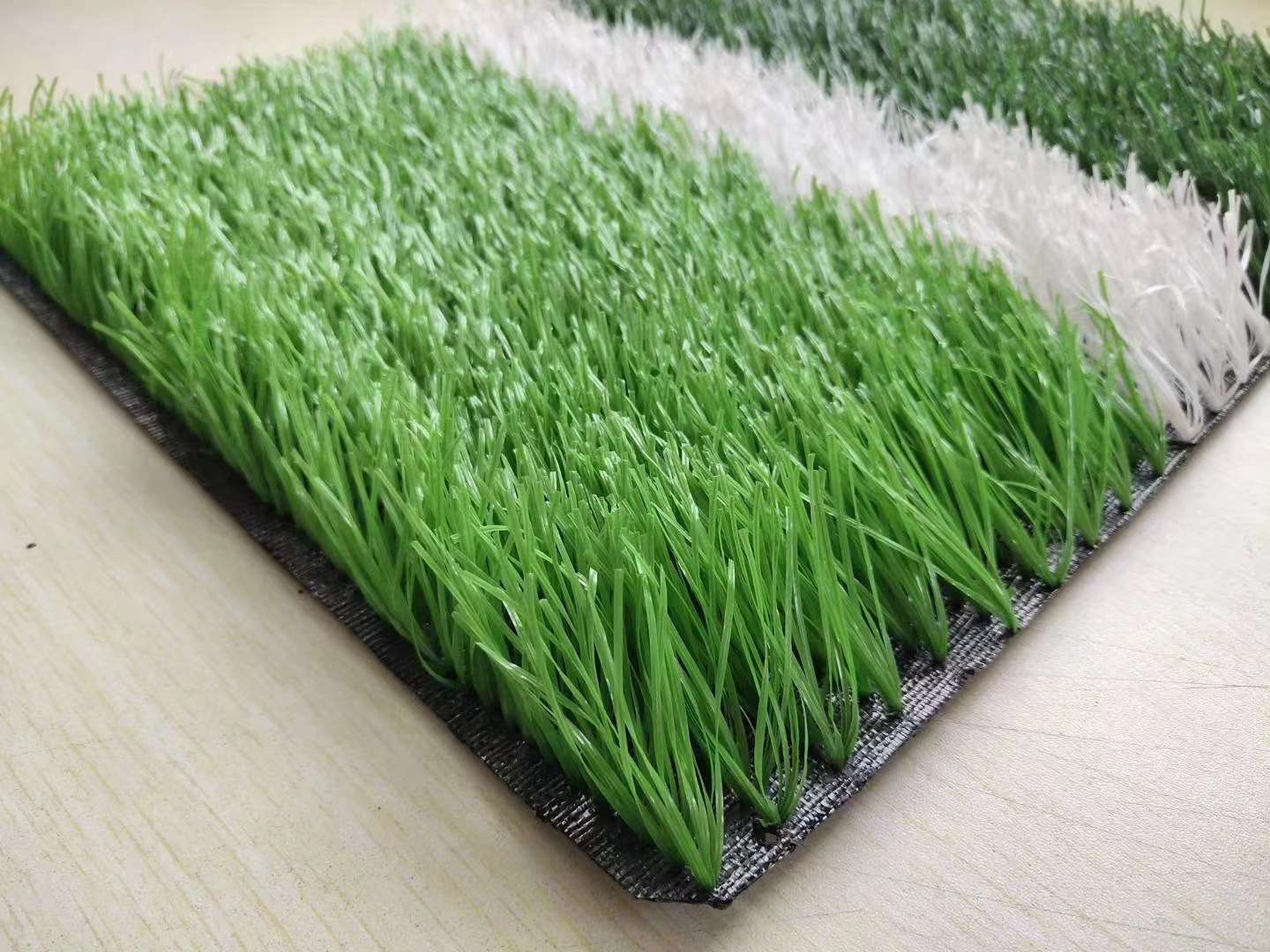
Water leaves a synthetic surface through the backing. Our turf uses a punch-hole backing that passes water at up to 2,000 mm per hour, which on a correctly built sub-base is faster than most storm events. That rate is not a marketing number: it is the figure to compare against local rainfall intensity, and it only holds if the layers below can accept the water just as quickly.
The sub-base decides whether the backing matters
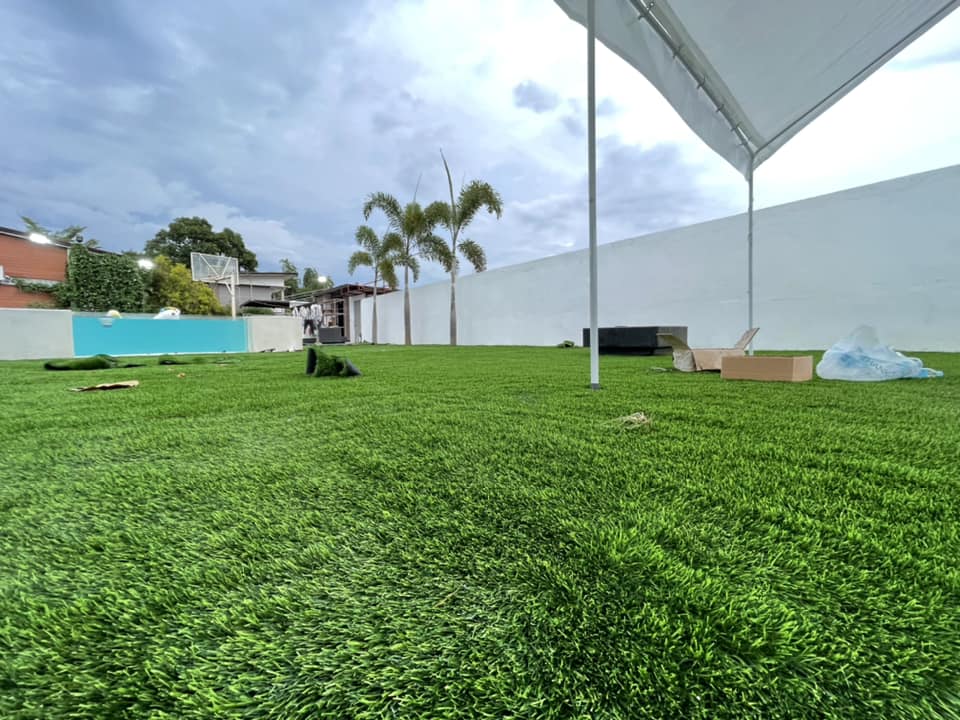
A common installation sequence is 80 mm of excavated depth filled with 80 mm of compacted crushed rock or road base, finished 15 to 20 mm below the surrounding paving edge. Compacted base that is not permeable, or a base that was not compacted at all, will pond water no matter what the backing does. On clay soils, a drainage cell or a fall to a soakaway is needed before the turf goes down.
What percolation and infill add
On infill pitches, sand and rubber slow the water path through the pile, so drainage design has to account for the infill layer as well as the carpet. On landscape turf without infill, water reaches the backing almost immediately, which is why punch holes matter more on gardens and playgrounds than on a deep infill pitch.
The questions to ask before ordering
Ask for the drainage rate in millimetres per hour, then ask what sub-base the installer will build and whether the existing ground drains. If the site sits on clay, in a hollow or beside a building with a shallow fall, budget for drainage before the turf. Getting that wrong is the difference between a surface that lasts fifteen years and one that smells of mould after the first wet season.