Oct 29, 2026Turf Guides
How to Choose Artificial Grass Pile Height and Gauge
Pile height and gauge decide how a surface looks, how it wears and how much infill it needs. A buyer checklist with the ranges Wyden actually builds.
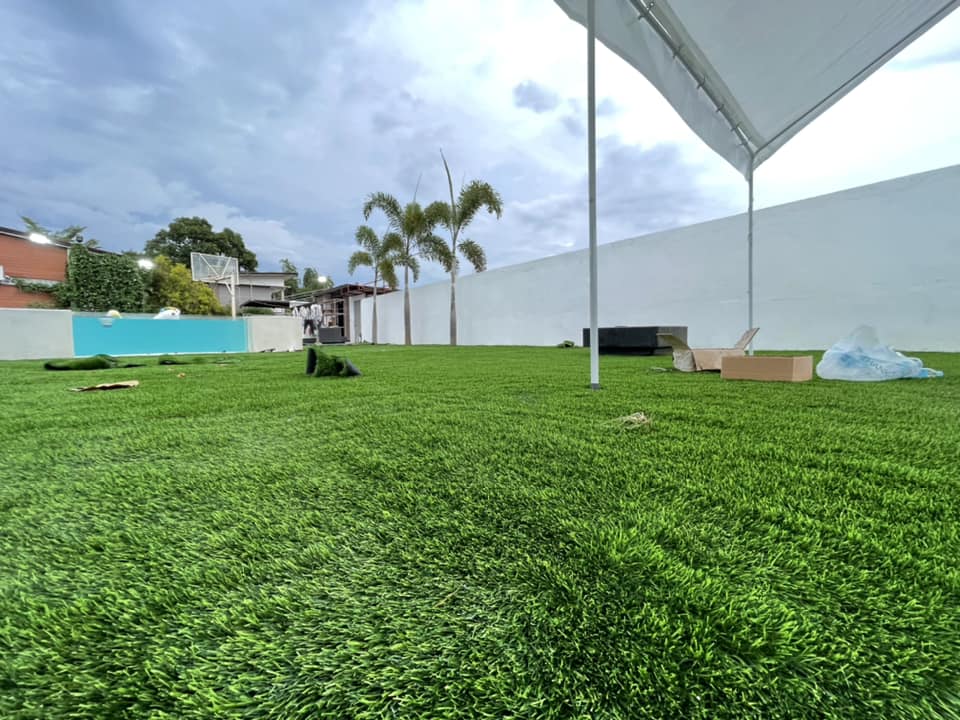
Pile height and gauge are the two numbers that decide almost everything about an artificial grass order: how the surface looks from a distance, how it feels underfoot, how much infill it needs and how quickly it wears in the traffic it actually receives. Buyers often fix the colour first and the numbers later. It works better the other way round.
What pile height actually controls
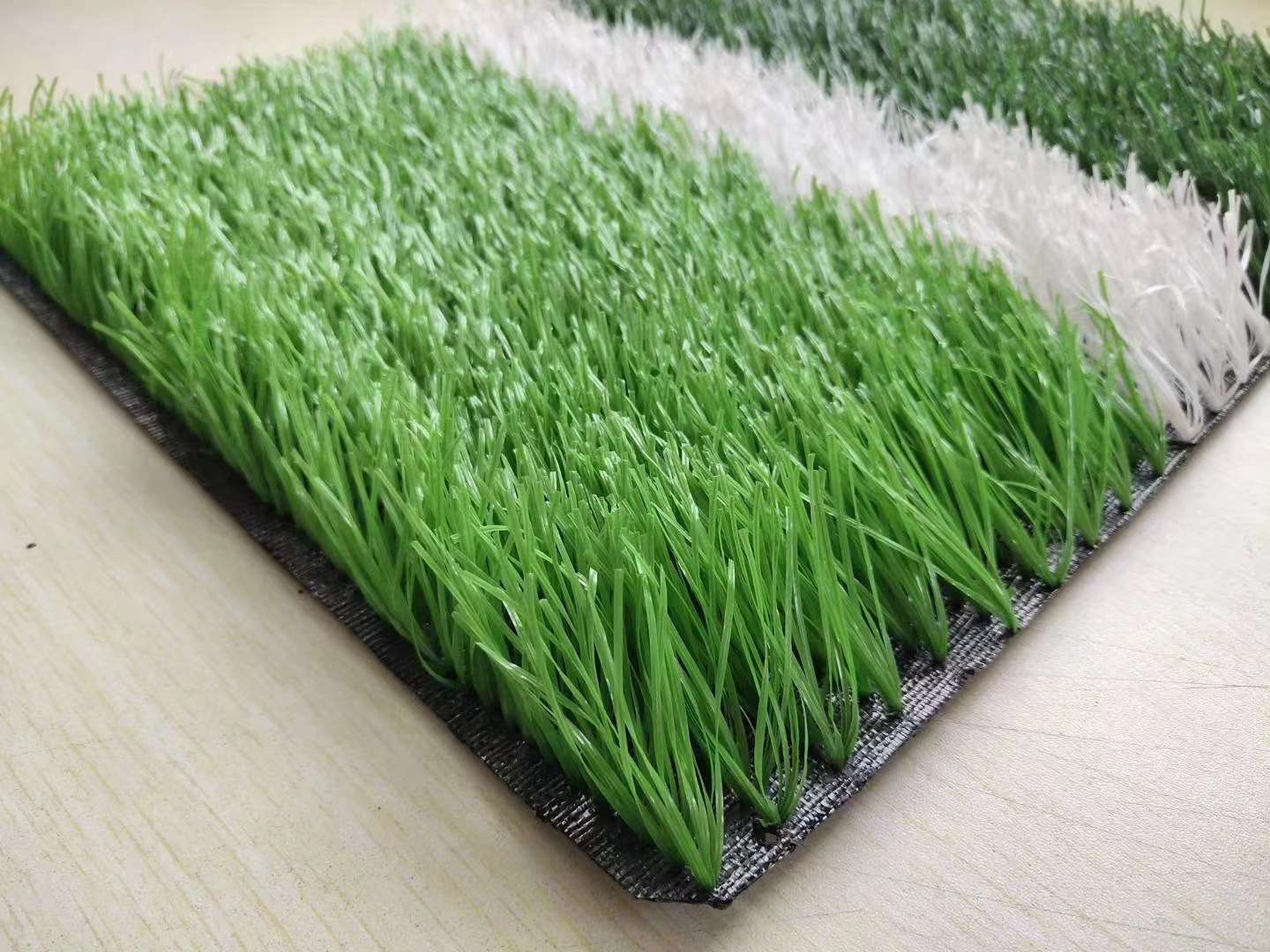
Pile height is the length of the fibre above the backing. In our range it runs from 7 mm to 75 mm, and each band has a job. Short pile of 7 to 18 mm is used for balconies, gym turf, putting greens, tennis and padel: less fibre means less friction on the ball and less material to flatten. Landscape turf sits between 20 mm and 50 mm, with 35 to 40 mm the usual choice for a garden lawn that should feel like grass. Football splits in two: non-fill systems run 25 to 35 mm, while infill systems run 40 to 60 mm because the sand and rubber layer needs depth to hold a longer fibre upright.
Longer is not automatically better. A 50 mm pile on a balcony will flatten under furniture and trap debris that a 20 mm surface would shed.
What gauge controls
Gauge is the distance between needle rows, expressed in inches. A 3/8 inch gauge is the workhorse for landscape and football; 3/16 to 5/32 inch is used for denser, shorter surfaces such as golf, hockey and gym turf; 5/8 to 1/2 inch is used on infill football pitches where fewer, thicker tufts hold more infill.
Gauge interacts with stitch rate. Two rolls can share a 3/8 inch gauge and still differ by a factor of two in density: 100 stitches per metre gives roughly 10,500 stitches per square metre, while 200 stitches per metre gives about 21,000. Density is the number that decides how a surface looks from standing height, so ask for it directly rather than comparing gauge alone.
The four questions that settle the specification
First, what walks on it: bare feet, studs, dog claws or gym equipment. Second, how much sun: a fully exposed site needs UV-stabilised yarn with a written fade warranty, which on our premium yarns is at least five years. Third, how the water leaves: punch-hole backing passes water at up to 2,000 mm per hour where the sub-base is correct. Fourth, what the buyer will accept across a seam, because roll width decides how many joins a 400 square metre area needs.
Answer those four and the pile height, gauge and density mostly choose themselves. Send the answers to julia@wydengroup.com and we will put them against the series that fits, with the roll widths that limit waste.